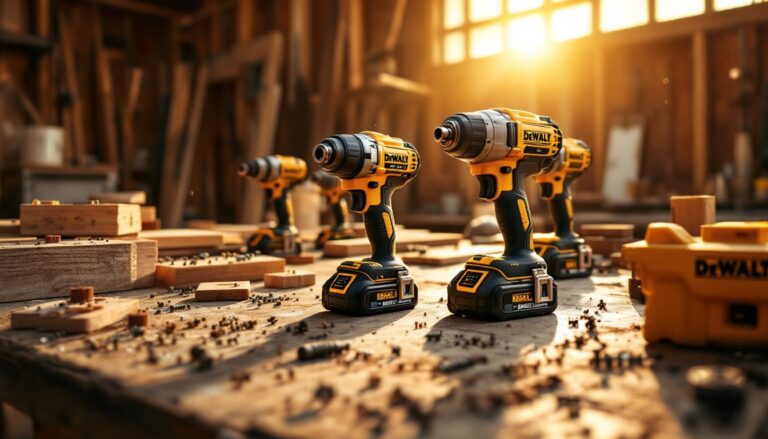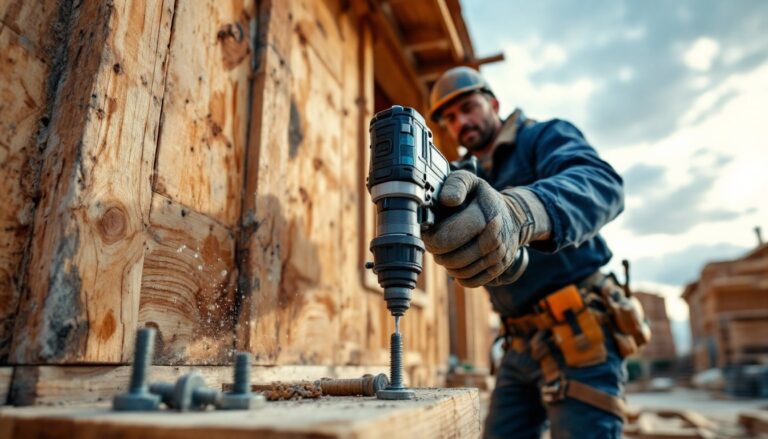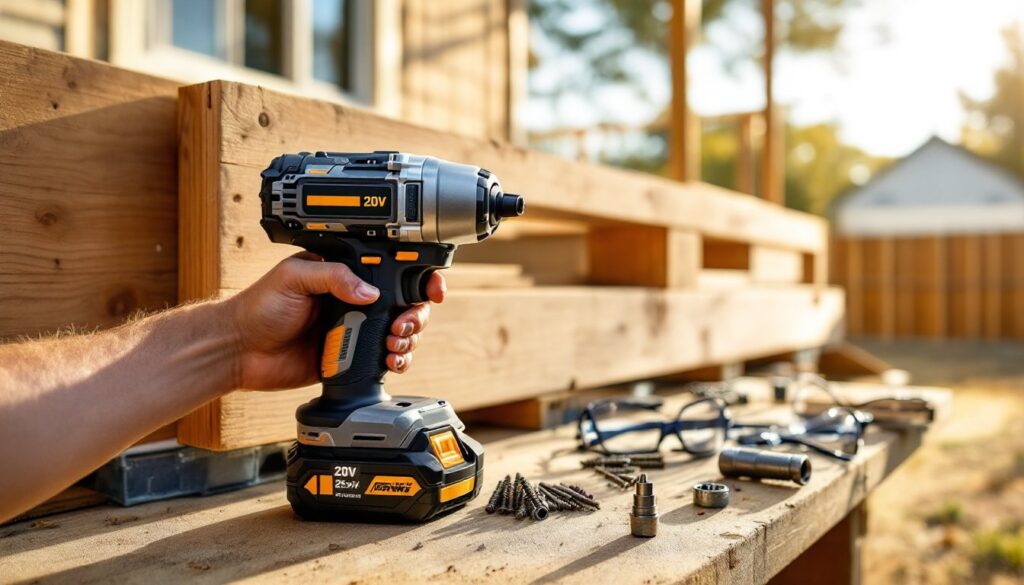

An impact driver sits in many homeowner garages, but plenty of DIYers aren’t using it to its full potential. If you think it’s just a faster drill, you’re missing out on what makes this tool genuinely useful for everything from deck framing to cabinet installation. This guide walks through the real-world applications where an impact driver shines, and where it’s overkill. Whether you’re hanging shelves or building an outdoor structure, understanding impact driver uses helps you work smarter, faster, and with better results.
Key Takeaways
- Impact drivers deliver 1,200–1,600 inch-pounds of torque through a striking cam mechanism, making them ideal for driving lag screws, bolts, and fasteners into dense materials without binding or stalling.
- Impact driver uses span structural work like deck and fence building, cabinet installation, and interior shelf hanging, where hundreds of fasteners require consistent, high-torque performance.
- An impact driver can reduce project time significantly—a single operator can complete deck work in one day that might take two with a standard drill, thanks to faster fastening and reduced user fatigue.
- Impact drivers are not precision tools and should not be used for finish fastening, delicate hardware, or tasks requiring exact torque specifications; use a standard drill or torque wrench for those applications.
- In automotive and heavy-duty work, impact drivers excel at breaking loose stuck lug nuts, bolts, and suspension hardware, though a torque wrench should handle final tightening to specification.
- Maximize your impact driver’s performance by using impact-rated bits, pre-drilling dense hardwoods, maintaining proper angle and pressure, wearing ear and eye protection, and storing lithium-ion batteries in cool, dry conditions.
What Is An Impact Driver And Why You Need One
An impact driver is a compact, high-torque power tool that delivers rotational force in short bursts. Unlike a standard drill that spins continuously, an impact driver uses a cam mechanism to strike the bit hundreds of times per second, creating both rotational and downward force. This dual-action approach makes it exceptional at driving screws and fasteners into dense materials without binding up or stalling.
Why does this matter? Torque. An impact driver typically produces 1,200–1,600 inch-pounds of torque, while a regular drill manages 400–500. That extra power means you can drive a 3-inch lag screw into pressure-treated lumber with one hand without the tool wanting to spin out of control. The ergonomic design and lower weight (usually 3–4 pounds) also mean less arm fatigue, especially when driving dozens of screws on a deck or fence project.
The trade-off: impact drivers aren’t precision tools. They vibrate and can overdrive small fasteners if you’re not careful. They’re loud. And they cost more upfront, expect $60–$150 for a quality cordless model. But for the typical homeowner tackling structural and outdoor work, the speed and reliability easily justify the investment. Recent comparisons between impact drivers and standard drills highlight how impact drivers reduce user fatigue while delivering more consistent results in high-torque applications.
Fastening Screws And Bolts: The Core Application
Driving fasteners is what impact drivers do best. Whether you’re setting #8 deck screws into joists or fastening hinges to cabinet doors, the impact mechanism ensures the screw seats fully without stripping. The tool applies force in precise increments, reducing the risk of pulling heads through soft wood.
For log screws and lags (the thick, coarse-threaded fasteners used in structural work), an impact driver is nearly essential. Pre-drilling is still required for hardwoods and to prevent splitting, but the impact action drives lag screws with far less user effort than a standard drill. A typical 3/8-inch×3-inch lag screw seats smoothly in pressure-treated pine or 2×6 lumber without binding.
Bolts and hex fasteners are equally suited to impact driving. If you’re assembling a metal bracket, securing through-bolts on a gate hinge, or installing bolted connection hardware, the consistent rotational strikes keep the fastener from slipping or camming out mid-drive. Use a socket adapter bit (usually included or available separately) to attach standard sockets for hex bolts and nuts.
One caveat: don’t use an impact driver for finish fastening (trim nails, thin hardwood screws) or delicate hardware. The tool easily overdrive small screws, stripping the head or pulling the fastener out of alignment. For precision work, a standard drill or a manual screwdriver is safer.
Building Decks, Fences, and Outdoor Structures
Deck and fence building is where homeowners immediately see the value in an impact driver. A typical deck project uses hundreds of fasteners, 2½-inch composite deck screws, 3-inch lag screws for ledger board attachment, and bolts for post connections, and manually driving these with a standard drill is exhausting and slow.
With an impact driver, a single operator can frame and screw down an entire deck section in a day what might take two days with a standard drill. The tool’s torque drives lag screws into pressure-treated joists without stalling, and the consistent bit engagement prevents the cam-out (where the bit slips out of the screw head) that happens with under-powered tools.
Fence work benefits similarly. Whether you’re driving 3-inch screws through 2×6 horizontal rails into pressure-treated posts or fastening metal brackets and hardware, the impact driver works steadily. The reduced kickback also makes one-handed operation safer when you’re balancing on a ladder or bracing a post with your other hand.
A critical note: structural connections, ledger boards, post footings, and load-bearing hardware, may require specific fastener types and spacing per local building codes (IRC section R402 covers residential deck requirements). The impact driver is the tool that executes the plan, but verify your fastener schedule and spacing with local building department guidelines or a structural plan before driving a single screw. The tool doesn’t replace proper design: it accelerates proper installation.
Interior Installation Projects: Shelves, Cabinets, And Fixtures
Inside the house, impact drivers excel at cabinet and furniture assembly, hanging heavy fixtures, and installing shelving systems. Wall-mounted shelves anchored to ¾-inch lag bolts into wall studs call for driving power, an impact driver threads these without strain and without excessive force that might warp the mounting bracket.
Cabinet assembly and installation involve dozens of 1¼-inch to 2-inch screws into plywood and hardwood. An impact driver drives them square and fast, and the quick bit engagement reduces the chance of pre-drilling errors or cam-out. If you’re installing ready-to-assemble (RTA) cabinetry, an impact driver transforms the tedium into a manageable afternoon task.
Hanging heavy fixtures, a bathroom vanity, a wall-mounted oven microwave, or a large TV bracket, often requires ¼-inch bolts into studs or heavy-duty anchors. The consistent torque of an impact driver ensures the bolt seats snugly without cross-threading or stripping, and one person can often complete the job solo.
A practical tip: use a speed control setting if your impact driver has one. Lower speeds help when driving delicate hardware or fine hardwoods, reducing the risk of overdrive. And always wear safety glasses, even indoor fastening can launch a bit or small debris if something goes wrong. Many experienced homeowners rely on impact drivers for interior work where speed and consistency directly reduce project time and frustration.
Automotive Repairs And Heavy-Duty Tasks
Beyond home improvement, impact drivers handle automotive and equipment work. Removing or installing bolts, lug nuts, and fasteners on vehicle suspension, brake components, and underbody panels often calls for serious torque, torque that can overtax a standard drill but sits comfortably within an impact driver’s range.
For lug nut removal, cordless impact drivers are nearly standard equipment in home garages now. A 18V or 20V cordless impact driver can break loose a stuck lug nut far more easily than hand tools alone, reducing frustration during tire changes or brake work. The same applies to exhaust clamps, hose clamps, and bolted connections throughout an engine bay or undercarriage.
Heavy-duty fasteners, ½-inch bolts, industrial-grade screws, and torque-sensitive hardware, benefit from the consistent striking action. The impact mechanism prevents the rounding-off of hex heads that happens when a standard drill binds up.
One important note: impact drivers shouldn’t be used on precision tasks requiring exact torque values. A torque wrench is the proper tool for critical fasteners (wheel lugs should be torqued to specification, for example). The impact driver is excellent for breaking loose and initial tightening, but final torque specification work requires the precision of a manual wrench or a click-style torque wrench. Wear gloves and safety glasses when working under vehicles or in engine bays.
Tips For Maximizing Your Impact Driver’s Performance
Choose the right bit. Impact-rated bits are tougher than standard bits and less prone to slipping or breaking. Use impact-rated screwdriver bits and socket adapters, they’re inexpensive and last longer under the tool’s striking action.
Maintain proper angle and pressure. Hold the tool straight and apply steady (not excessive) pressure. Let the tool do the work: forcing it stalls the motor and can damage the bit or fastener.
Pre-drill when needed. Dense hardwoods, hardboard, and small fasteners require a pilot hole. Pre-drilling prevents splitting and keeps the screw or bolt running true, standard drill work fine for this step.
Use the right battery size. A 20V compact battery (2–3 amp-hour) handles routine fastening, but heavy-duty or high-volume days benefit from a larger 4–5 amp-hour battery or dual batteries for swapping. Heavier batteries add weight, so balance run time against arm fatigue.
Protect your hearing and eyes. Cordless impact drivers produce 80–90 decibels, audible hearing damage territory with extended use. Wear ear protection and safety glasses every time. Loose sleeves or long hair should be tied back.
Store batteries properly. Keep batteries out of extreme heat and moisture, and never leave a charged battery idle for months. Store in a cool, dry place and charge occasionally if stored long-term. Most lithium-ion batteries maintain 80% capacity after a year of proper storage.
Conclusion
An impact driver isn’t a luxury tool, it’s a smart investment for any homeowner tackling structural projects, outdoor builds, or high-volume fastening work. From deck framing to cabinet hanging, the speed and torque save time and frustration. Use it appropriately (structural fastening, lag screws, bolts), respect its limitations (not a precision tool, not for delicate work), and maintain it well. A solid cordless impact driver in your toolkit compounds its value across dozens of projects over years of ownership.