
If you’ve ever stripped a bolt or snapped a standard socket with an impact driver, you know the pain, literally and figuratively. Standard sockets aren’t built for the hammering torque an impact driver delivers. An impact driver socket set bridges that gap with sockets engineered to handle rapid, repetitive strikes without cracking or fracturing. Whether you’re fastening deck screws, removing lug nuts, or tackling automotive work, the right socket set transforms your impact driver from a risky tool into a reliable workhorse. This guide walks you through what sets impact sockets apart, how to pick the right configuration for your projects, and how to keep them in top shape.
Table of Contents
ToggleKey Takeaways
- Impact driver socket sets are engineered with stronger alloys and thicker walls than standard sockets to withstand rapid, repetitive strikes without cracking or fracturing.
- Standard sockets mixed with impact drivers create safety hazards, as shattered socket shards can cause serious injury to your face, hands, or nearby people.
- Choose between ¼-inch drives for lightweight work like deck screws and ⅜-inch drives for automotive and heavy-duty tasks, ensuring your impact driver socket set matches your tool’s torque output.
- Look for socket sets with 30–40 pieces that span both metric and SAE sizes, explicit impact-rating labels, and secure retention collars to prevent spinning off during operation.
- Proper maintenance—including pre-use inspection, cleaning after each use, and storage in dry conditions—extends your impact driver socket set’s lifespan and keeps it performing reliably for years.
What Is an Impact Driver Socket Set and Why You Need One
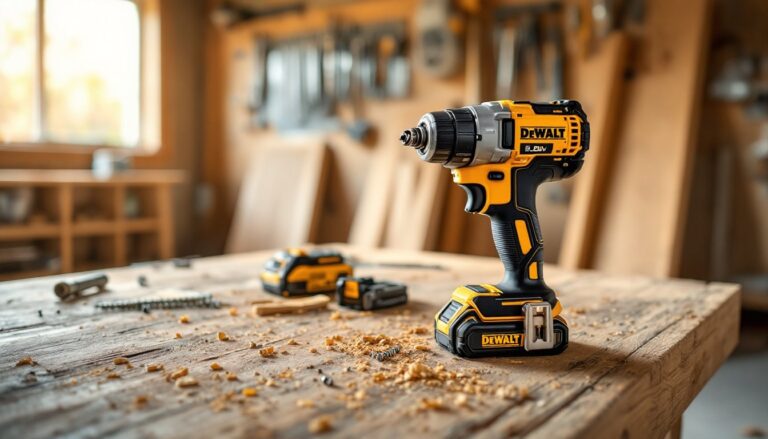
An impact driver socket set is a collection of sockets specifically engineered to absorb and withstand the concussive blows of an impact driver. Unlike a traditional drill/driver, an impact driver works by delivering rapid rotational bursts, thousands of impacts per minute, that generate explosive torque. Standard chrome-vanadium sockets, designed for manual wrenches or hand ratchets, will eventually crack under this punishment.
Impact sockets use stronger alloys and thicker walls to resist fracturing. They’re also engineered to compress slightly under load, dissipating energy rather than storing it. Most come with a pinned or friction-grip collar to prevent them from spinning off your driver bit under recoil. If you’re buying an impact driver, you need impact-rated sockets. Mixing standard sockets with impact drivers isn’t just inefficient, it’s a safety hazard. A shattered socket can fling shards at your face, hands, or anyone nearby. CNET reviews and explains the differences between tool types if you want deeper technical specs.
Key Differences Between Standard and Impact-Rated Sockets
The gap between a standard socket and an impact socket comes down to material composition and wall thickness. Standard sockets are typically made from chrome-vanadium steel, a durable alloy good enough for hand tools and corded drills. Impact sockets use stronger alloys, often chromium-molybdenum steel or tungsten-alloyed variants, that resist deformation and cracking.
Wall thickness also differs. A standard ½-inch socket might have walls 3/16 inch thick: an impact socket in the same size often runs 5/16 inch or thicker. That extra material gives the socket room to absorb and distribute stress. You’ll also notice a color difference: impact sockets are often black, chrome black, or gray, while standard sockets are bright chrome. The darker finish isn’t just cosmetic, it usually indicates the harder alloy. The depth and fit are engineered differently too. Impact sockets sit slightly looser on the driver, about 0.1 inches of play, to prevent jamming when the driver stalls or rebounds. Standard sockets grip tighter, which works fine under steady torque but creates binding and socket damage under impact conditions. Grip a standard socket and an impact socket side by side, and you’ll feel the wall thickness immediately.
Socket Size and Fit: Selecting the Right Configuration for Your Projects
Impact driver socket sets come in two main drive sizes: ¼-inch and 3/8-inch. A few sets also include ½-inch drives for heavy-duty work, but those are less common in consumer sets.
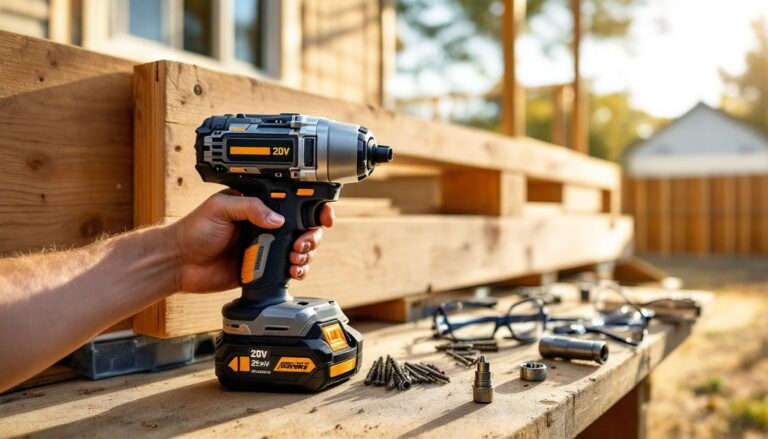
¼-inch drives pair with compact, lightweight impact drivers. They’re ideal for fastening deck screws, assembling furniture, or light automotive work. Sockets range from 4mm to 13mm (or #6 to ½ inch in SAE), covering most household fasteners. A typical ¼-inch set includes 20–30 sockets.
3/8-inch drives work with mid-range and professional impact drivers. They handle more torque and work well for removing lug nuts, lag bolts, and structural fasteners. Socket sizes run from 6mm to 24mm (or ⅜ inch to ¾ inch), and sets usually contain 30–50 sockets. If you work on cars or decking, 3/8-inch is your sweet spot.
Before buying, match the socket drive size to your impact driver. Check your driver’s chuck, it’ll clearly label the size. A combo set with both ¼-inch and 3/8-inch adapters gives you flexibility, though the ¼-inch always feels less balanced and powerful. Metric vs. SAE is a personal choice: metric is slightly easier to standardize, but SAE dominates older vehicles and many household fixtures. Many sets include both.
Top Features to Look for When Buying an Impact Driver Socket Set
When narrowing down your choices, focus on these features:
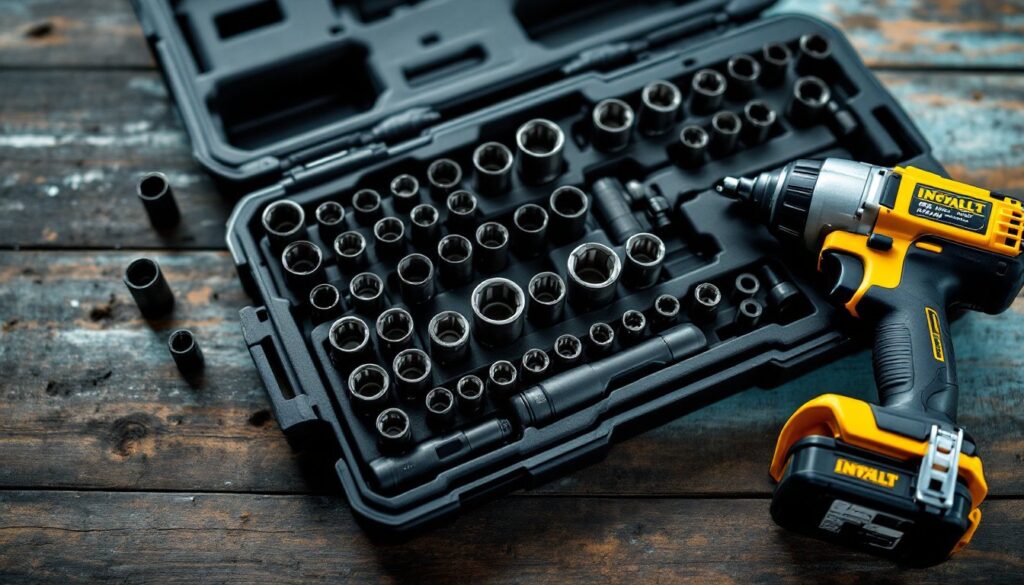
Socket Count and Coverage. A set with 30–40 sockets covers 90% of typical projects. Fewer than 20, and you’ll keep borrowing neighbors’ tools. More than 60, and you’re paying for sockets you’ll rarely touch. Look for a set that spans both metric and SAE, or buy two smaller sets if you work exclusively in one system.
Material and Impact Rating. Verify the set explicitly states “impact-rated” or “impact-grade”, don’t assume. Check for chromium-molybdenum or similar high-strength alloy callouts. Reputable brands list impact ratings in foot-pounds (ft-lbs) or newton-meters (N⋅m). A ¼-inch set should handle at least 100 ft-lbs: 3/8-inch sets should be rated for 250+ ft-lbs.
Retention Collar or Pinned Design. The socket must grip your driver’s output shaft securely without spinning off. Friction-grip collars work well: pinned designs (a small pin prevents rotation) are rock-solid. Test-fit one socket at a store if possible.
Storage and Organization. Sets in plastic cases with labeled slots keep sockets organized and protect your workspace. A roll-up canvas bag is lighter and portable but less protective. Family Handyman offers practical storage tips for organizing hand tools.
Warranty and Brand Reputation. A 1–3 year warranty is standard. Brands like DeWalt, Milwaukee, Makita, and Snap-On back their impact sets with solid support. Budget brands may save $20 upfront but often fail after a few years of heavy use.
Best Practices for Using and Maintaining Your Socket Set
Proper use and maintenance extend socket life dramatically.
Matching Torque to Task. Impact drivers deliver different torque outputs depending on load and trigger pressure. Don’t max out every fastener. Use firm, steady pressure for normal work: reserve maximum power for stuck bolts or demanding fasteners. Overusing maximum power wears sockets faster and risks stripping fasteners.
Prepare Your Fasteners. Dirty, corroded, or rusty bolts jam sockets and wear them out faster. Spray penetrating oil on stuck fasteners 10–15 minutes before impact-driving them. For extremely stuck bolts, a short soak is worth the wait. This simple step cuts wear by half.
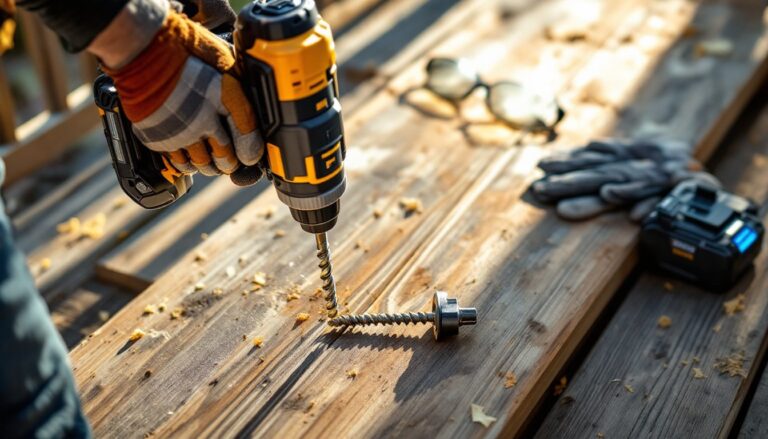
Safety First. Always wear safety glasses, shattered socket fragments are rare but possible, and you can’t risk eye damage. Wear work gloves for grip and protection. Ear protection is wise if you’re running the driver for extended periods: impact drivers are loud. Keep your free hand clear of the fastener and socket area: rebound can pinch or twist fingers.
Inspect Before Use. Run your fingers inside each socket before using it. Feel for cracks, dents, or rough edges. A slightly dented socket might work, but a cracked one will fail suddenly. Set aside damaged sockets and retire them. This Old House has detailed guides on tool maintenance for homeowners.
Storage and Protection. Store sockets in their case out of moisture. High humidity promotes rust on exposed metal. Periodically wipe sockets with a dry cloth. Don’t leave sockets in a wet garage or exposed toolbox. If rust appears, a light pass with steel wool removes it: deep pitting means replacement.
Cleaning. Wipe sockets free of dirt and grease after use. A rag and warm soapy water are all you need. Dried concrete, paint, or debris hardens over time and makes sockets stick. A quick clean keeps your set looking and performing new for years.
Conclusion
An impact driver socket set is a non-negotiable investment if you own an impact driver. The difference between impact-rated and standard sockets is real and potentially dangerous, standard sockets crack under impact stress, creating shrapnel and wasted money. Choose a set rated for your driver’s torque output, match the drive size to your tool, and invest in proper storage and care. A quality set with 30–40 sockets will handle decking, automotive, assembly, and heavy fastening work reliably for years. Don’t skimp on this one.