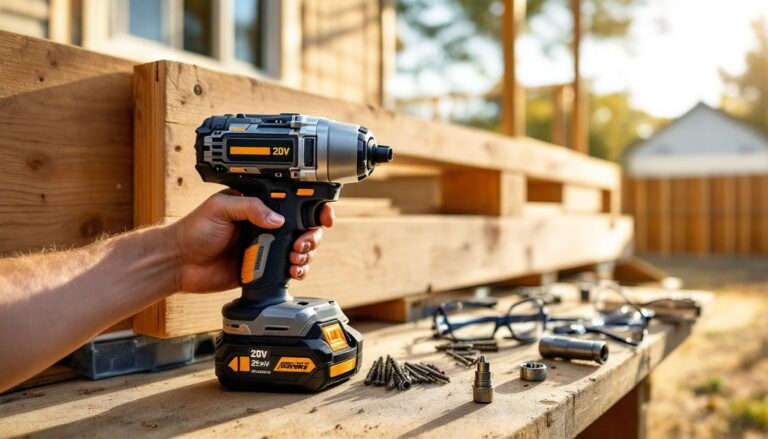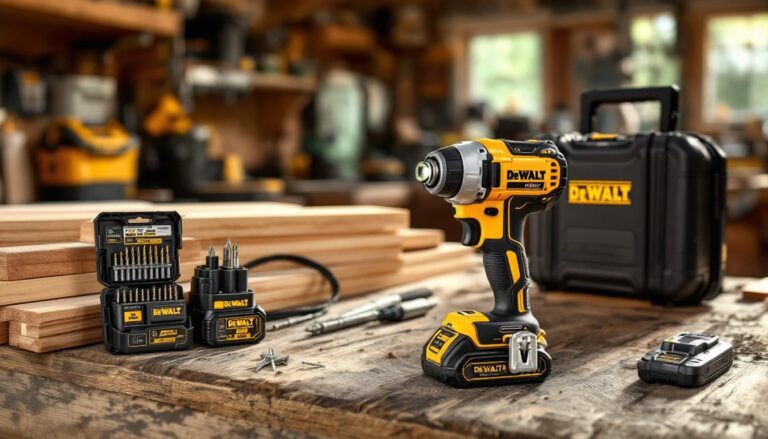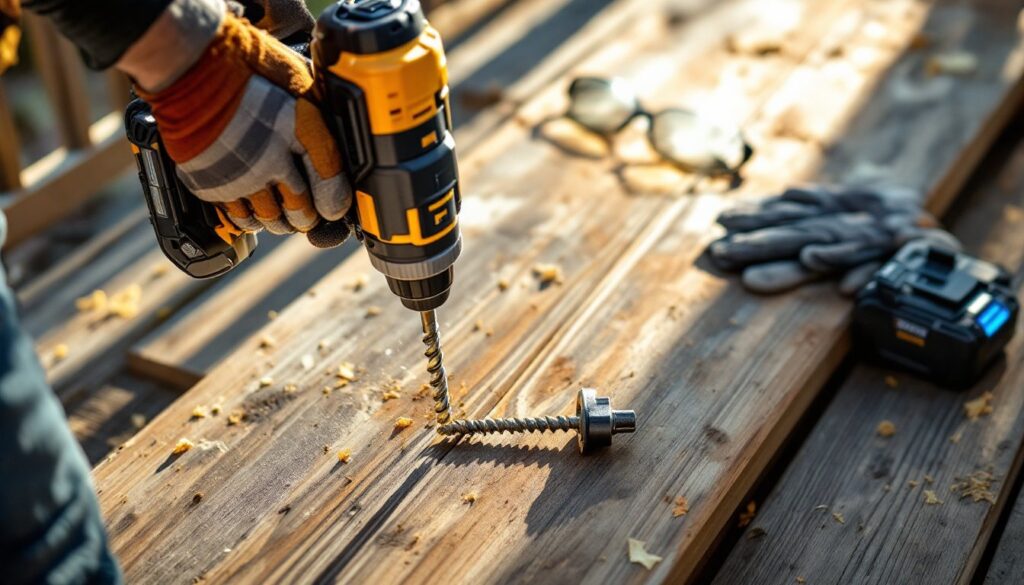

If you’ve spent twenty minutes trying to drive a 3-inch deck screw by hand with a standard drill, you already know you need a better solution. A battery impact driver is one of those tools that seems specialized until you use one, then you wonder how you ever lived without it. Unlike a regular drill, an impact driver uses rotational force combined with concussive blows to power through stubborn fasteners with minimal user effort. Whether you’re building a deck, assembling furniture, or tackling cabinet installation, understanding how to choose and use an impact driver will transform your DIY projects from frustrating to genuinely satisfying.
Table of Contents
ToggleKey Takeaways
- A battery impact driver delivers 1,200–2,000 inch-pounds of torque through rapid concussive impacts, making it significantly more powerful than a standard drill for driving stubborn fasteners with minimal user effort.
- A 20-volt impact driver is the sweet spot for most homeowners, offering the best balance of power, runtime, and compatibility with mainstream brands like DeWalt, Milwaukee, and Makita.
- Always wear safety glasses, heavy work gloves, and hearing protection when using an impact driver, as it produces 85–95 decibels and creates violent bit rotation that demands respect.
- Start with low-speed or low-torque mode, use pilot holes in hardwood and composite materials, and never force the tool—let the impact driver do the heavy lifting while you maintain light pressure.
- Proper maintenance including regular cleaning of the chuck, storing batteries at room temperature, and inspecting power cords will extend your tool’s lifespan to 5–7 years of reliable weekend projects.
What Is a Battery Impact Driver and Why You Need One
An impact driver is a compact, high-torque tool that delivers rotational force through a series of rapid, spring-loaded hammer strikes inside the chuck. This mechanism, called concussive impact, lets you drive fasteners that would otherwise require serious arm strength or damage wood fibers with excessive pressure.
Think of it this way: a standard drill spins continuously and relies on downward pressure from you to bore or drive. An impact driver spins in bursts with thousands of impacts per minute, doing the heavy lifting automatically. That’s why you can sink a 4-inch timber screw into a pressure-treated beam in seconds without twisting your wrist.
Key Differences From Standard Drills
Speed matters, but it’s not the whole story. A drill typically maxes out around 1,500 rpm (revolutions per minute), while an impact driver hits 2,500–3,500 rpm. More important, though, is torque, the rotational force that actually drives the fastener. A mid-range drill delivers 300–500 inch-pounds of torque: a basic impact driver starts at 1,200 and climbs to 2,000+ for heavier models.
Drill chucks use three jaws to grip bits and hold them securely: impact drivers use a quick-change hex chuck that accepts ¼-inch hex-shank bits and fastener tips. This design trades some versatility for speed, you can’t use standard drill bits directly, but swapping fastener bits takes two seconds.
Another big difference is noise and vibration. Impact drivers are loud, expect 85–95 decibels, and they produce a distinctive pounding sensation that takes getting used to. Hearing protection and gloves are non-negotiable. A regular drill, by comparison, feels smoother and quieter but demands more muscle to drive large fasteners.
Top Features to Look for When Selecting a Battery Impact Driver
The market offers dozens of models, and picking one depends on your budget and the types of projects you tackle. Entry-level drivers cost $60–$120 and suit occasional fastening: serious DIYers and contractors spend $180–$350 for better durability and performance.
Battery compatibility matters more than you’d think. A 20-volt system is the sweet spot for most homeowners, it’s available across mainstream brands like DeWalt, Milwaukee, and Makita, meaning batteries and chargers become versatile investments. Eighteen-volt systems still work fine but are becoming less common: 12-volt models are lighter but lack power for anything tougher than trim work.
Weight and size affect fatigue on overhead or repetitive work. A lightweight driver under 4 pounds feels natural when hanging cabinet hardware: a beefier model at 5–6 pounds delivers more power but tires your arm over hours of work.
Voltage, Torque, and Battery Life Explained
Voltage dictates how much power the tool can deliver and how long the battery sustains that output. Twenty-volt tools maintain performance under load better than 12-volt counterparts. If you’re driving ½-inch bolts through doubled-up headers (structural work requiring permit and calculation), a 20-volt impact driver is the minimum, and honestly, some jobs demand a corded or pneumatic tool instead.
Torque is measured in inch-pounds (in-lbs) or newton-meters (Nm). Most impact drivers deliver 1,200–2,000 in-lbs. That spec tells you how hard the tool can turn a fastener before it stops driving deeper. For fastening trim, deck boards, and cabinet assembly, 1,500 in-lbs is plenty. For lag bolts and structural fasteners, you might want closer to 2,000 in-lbs, but always check your fastener’s shear strength and the wood species’ density first. Soft pine holds differently than pressure-treated Doug fir.
Battery amp-hours (Ah) determine runtime. A 1.5-Ah battery runs for 30–45 minutes of steady fastening: a 3.0-Ah jumps to 1.5 hours. Most homeowners pair a 1.5-Ah battery for small jobs with a 3.0-Ah for larger work, then swap between them while one charges. Lithium-ion batteries charge faster and lose less charge sitting on the shelf than nickel-cadmium models, so splurge there if budget allows.
Charge time ranges from 30 minutes (fast chargers, pricier) to two hours (standard). If you’re working all day, a two-battery setup with a decent charger is practical: one battery can charge while you use the other.
Best Practices for Using Your Impact Driver on Home Projects
Before you grab the trigger, prepare properly. Wear safety glasses, heavy work gloves, and hearing protection, no exceptions. The pounding sound and violent bit rotation demand respect. If you’re sensitive to noise, consider earplugs rated for impact tools (look for 25+ decibel reduction).
Always use the correct fastener tip for your screw head, Phillips, square drive, torx, or slotted. A mismatched bit camouuts (slips and tears the fastener head), damaging the fastener and wood. Hex-shank bits are standard, but quality matters: cheap bits strip quickly. Buy bits in bulk from reputable brands: a box of 30 assorted tips costs $10–$15 and lasts through dozens of projects.
Start with the impact driver set to low speed or low-torque mode (many models have a two-speed selector or adjustable clutch). As you drive the fastener, ease up on pressure once it seats, the tool should do the work, not you. Jamming the trigger and forcing the bit creates wobble and increases stripping risk. For trim screws in softwood, light pressure and medium speed is often enough. For 3.5-inch deck screws into pressure-treated lumber, you’ll need full power.
Screws in hardwood or composite materials benefit from a pilot hole, especially if you’re fastening near an edge. A pilot hole prevents splitting and makes the impact driver’s job easier (fasteners seat faster, less stress on the tool). Use a bit one size smaller than the fastener’s root diameter.
When assembling furniture or cabinetry, pre-drill pocket holes or use pocket-hole systems with matching screws, many DIY furniture plans include pocket-hole techniques that translate perfectly to impact-driver fastening. These systems hide fasteners and create strong, glue-reinforced joints.
Never use an impact driver for delicate fasteners or where you need precise depth control. Trim nails, picture-hanging hardware, and small screws are better suited to a manual screwdriver or a standard drill with a clutch. The impact driver overshoots fine details.
Maintenance and Care Tips to Extend Tool Lifespan
Your impact driver will last years with basic care. After each session, wipe down the housing and chuck with a dry cloth to remove sawdust and debris. Compressed air (around 80 psi from a shop compressor) clears dust from vents and the trigger area every few months.
Clean or replace the hex chuck regularly, grit trapped inside prevents bits from seating flush, causing runout and poor fastening. A quick wipe with a damp cloth and dry-off works fine: no disassembly needed. Check that bits spin smoothly and that the quick-change mechanism holds without wobble.
Batteries need care too. Store them at room temperature, not in your hot garage or freezing shed. Lithium-ion batteries self-discharge slowly: top them up before long-term storage (over a month). If a battery stops holding charge after two or three years of regular use, it’s normal wear, replacement packs cost $40–$80 depending on capacity and brand.
Keep chargers away from moisture and extreme heat. A charger in a damp basement or direct sunlight degrades faster. Inspect power cords for cuts or damage before use.
Finally, replace worn trigger switches if your tool starts misfiring or feels sluggish. For most homeowners, a $100–$150 impact driver lasts 5–7 years of weekend projects before major service is needed. For a comparison of top models and their longevity, professional reviews often include user feedback on durability and warranty coverage. Read those before buying, especially if you’re investing in a premium tool.
Conclusion
A battery impact driver transforms fastening work from exhausting to efficient. Whether you’re assembling flat-pack furniture, installing deck hardware, or hanging cabinetry, the right tool in hand makes the project faster and more enjoyable. Pick a model that matches your voltage ecosystem and power needs, respect the safety requirements, and you’ll have a reliable partner for years of home improvement. Start with a 20-volt driver, a couple of quality bits, and proper hearing and eye protection, you’ll be amazed at what opens up.